
Many parents want their child to be active, healthy, and genuinely happy in a sport – but knowing where to start can feel overwhelming. With so many options on offer and plenty of well-meaning advice about finding the “right fit” early, it’s easy to second-guess every decision. This article walks through the things that actually matter: your child’s age, temperament, and interests, the difference between team and individual sports, what it all costs in time and money, and why letting kids sample a few sports early tends to work out better than locking them in too soon.
Start With Your Child’s Age, Stage, and Natural Personality
Before you look at schedules, uniforms, or which sport your neighbor’s kid is playing, take a moment to think about where your child actually is right now – developmentally, emotionally, and in terms of what they find genuinely exciting.
Age Matters More Than You Think
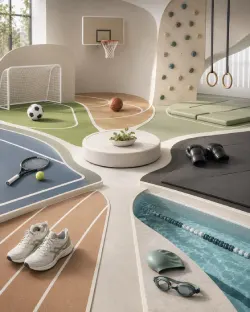
Children under six are still building foundational movement skills – running, jumping, catching, balancing. Organized competition rarely suits them. What works better at this stage is free play with loose structure: gymnastics classes, swimming lessons, or simple kicking and throwing games. Around ages seven to nine, kids can begin to grasp basic rules and enjoy small-sided team games like soccer or T-ball. By ten or eleven, many are genuinely ready for more structured training, real competition, and a longer-term commitment to a single sport.
Temperament Is the Part Parents Often Overlook
Some children are wired for movement and noise. A high-energy six-year-old who bounces off walls at home will probably thrive in a fast-paced environment like basketball or martial arts. Quieter, more cautious kids often do better in lower-pressure settings where they can build a skill gradually – think archery, swimming, or gymnastics – without the social intensity of a team bench watching their every move. Social butterflies genuinely light up in group sports. Independent thinkers, the ones who prefer practicing alone in the backyard, often take to individual sports like tennis or track.
Watch What They Already Do
There’s no denying that the clearest clues are already in front of you. Does your child climb everything in sight? Gymnastics or rock climbing might be worth exploring. Do they race their friends at every opportunity? Track could be a natural fit. Kids who love dancing often translate that body awareness beautifully into figure skating or rhythmic gymnastics. Rather than picking a sport and hoping your child adapts, watch what they gravitate toward naturally and let those habits point the way.
Compare Team and Individual Sports With Your Child in Mind
There’s no universal answer to whether team or individual sports suit children better. The real question is what kind of environment helps your child feel capable, comfortable, and genuinely excited to show up. Some kids come alive in a group setting; others do their best work alone. Knowing which one fits your child can save a lot of frustration on both sides.
Why Some Children Thrive in Team Sports
Shared goals have a way of pulling children in. Soccer, basketball, and volleyball all ask kids to communicate, adapt to each other, and find their place within a group – experiences that build social skills almost as a side effect of just playing the game. For children who are naturally sociable or who draw energy from being around peers, this environment can feel motivating rather than overwhelming.
Team sports also offer a kind of built-in support. A child who misses a shot or makes an error doesn’t carry that moment alone – teammates, coaches, and the next play all move things forward. Kids who tend to be hard on themselves sometimes find that easier to manage when responsibility is shared.
Why Individual Sports Can Be a Better Fit
Not every child finds group dynamics energizing. For quieter or more introverted kids, the social complexity of team sports – managing relationships, navigating group conflict, worrying about letting others down – can become its own source of stress. Swimming, gymnastics, tennis, and martial arts let a child focus on their own progress without that added layer.
Progress in individual sports is also easier to see and own. A child who shaves two seconds off their swim time or lands a new gymnastics skill knows exactly what they achieved. That kind of personal accountability can build real confidence, especially in children who prefer working at their own pace.
Some children even do well trying both – a team sport in one season, an individual sport in another. There’s no rule that says they have to choose.
Look at the Real-Life Fit – Cost, Schedule, and Family Capacity
Enthusiasm gets kids through the door, but logistics determine whether they stay. Before committing to any sport, it pays to look honestly at what your family can actually absorb – financially, physically, and emotionally – week after week.
The True Cost of a Season
Registration fees are usually the first number parents see, and they rarely tell the whole story. Ice hockey, for example, might list a $200 sign-up fee, but once you add skates, a helmet, pads, a stick, and rink time, the first season can easily run $800 or more. Gymnastics can feel affordable at the recreational level and then quietly escalate once a coach recommends moving to a competitive team. Even soccer, often considered a low-cost option, adds up when you factor in cleats, shin guards, a uniform, and weekend tournament travel. Borrowing equipment from another family or checking local Facebook groups for secondhand gear is a genuinely smart move, not a compromise.
Time Is a Resource Too
Two practices a week sounds manageable until you realize one falls on Tuesday evenings and the other on Saturday mornings, and you also have a younger child who needs to be somewhere else entirely. The driving alone can consume hours each week. Ask the program coordinator upfront about the full schedule – including games, tournaments, and any mandatory parent volunteer shifts – before your child falls in love with the idea.
Start Small and Watch the Pattern
Recreational leagues and seasonal classes exist for exactly this reason. They let a child try something without the family overcommitting. Sign up for a single session of swim lessons or a six-week recreational basketball program and pay attention to one simple thing: does your child still look forward to going after the first few weeks? If the answer is yes, you have real information. If they’re dragging their feet by week three, that’s useful too.
Let Them Sample Early Instead of Specializing Too Soon
Early childhood is genuinely the best time to experiment. Before the age of twelve or so, most children are still figuring out who they are and what excites them – and sports are no different from anything else they’re discovering. Letting your child try several activities across those early years gives them something specialization simply cannot: a real sense of what they actually enjoy.
Why Early Specialization Can Backfire

There’s no denying that the pressure to commit early feels real. You see other kids at intensive weekend training sessions, hear about travel teams forming at age seven, and start wondering whether your child is already falling behind. Some parents genuinely believe that earlier focus leads to better outcomes. It’s easy to see why that logic is appealing. But the research on youth athletics tells a different story. Most elite athletes – including many professional players – participated in multiple sports throughout childhood before narrowing their focus in their mid-teens. Early specialization, by contrast, is consistently linked to higher dropout rates and overuse injuries.
What Sampling Actually Looks Like in Practice
Rotating by season is one of the most practical approaches. Soccer in fall, swimming in winter, a baseball camp in summer – this kind of rhythm keeps things fresh without overwhelming your schedule. Camps and trial sessions are genuinely useful here. Many community recreation centers offer single-week introductory programs that cost far less than full league registration, so your child can test gymnastics or martial arts before anyone commits to anything serious.
A helpful rule of thumb: keep one familiar activity while introducing one new one. That way your child has something comfortable to return to if the new experience doesn’t click.
Watch for signs that a sport is genuinely working for them. Excitement before practice, steady effort even when it gets hard, and asking when they get to go back – those are the signals that matter. Reluctance and dread are signals too, and they deserve equal attention.
Ask the Right Questions Before You Sign Up
A sport can sound perfect on paper and still be the wrong fit once practices begin. Before paying registration fees or buying equipment, it helps to look beyond the activity itself and understand the environment your child will actually be entering. A few practical questions can reveal whether a program is welcoming, realistic for your family, and appropriate for your child’s current level.
- Can my child try a session before committing? A trial practice, introductory lesson, or short camp gives children a chance to experience the sport without feeling locked into a full season. Pay attention to how your child responds afterward. Being tired is normal, but enthusiasm, curiosity, and wanting to return are stronger signs of a good match than whether they performed particularly well on the first day.
- How does the coach work with beginners? Coaching style matters almost as much as the sport itself. Ask how new players are introduced to skills, how mistakes are handled, and whether every child receives meaningful participation time. A supportive coach should be able to explain expectations clearly without relying on embarrassment, shouting, or unnecessary pressure. Children learn faster when they feel safe enough to make mistakes.
- What level of commitment is actually expected? Some recreational programs genuinely mean one practice and one game each week. Others gradually introduce extra training, tournaments, travel, or offseason sessions. Find out what is optional and what is expected before registering. A sport that fits comfortably into family life is far more likely to remain enjoyable than one that creates constant scheduling conflicts.
- What happens if my child decides they do not like it? Children sometimes change their minds, and that does not automatically mean they are quitting too easily. Ask about cancellation policies, refunds, equipment returns, and whether switching to another class is possible. Parents can encourage children to finish a reasonable trial period while still taking persistent unhappiness seriously.
- Does the program emphasize development or winning? Competition can be healthy, but younger children generally benefit most when skill development, participation, and enjoyment remain central. Watch a practice or game if possible. Notice whether coaches encourage everyone, whether children seem comfortable asking questions, and whether mistakes are treated as part of learning.
The goal is not to eliminate every possibility of disappointment. Trying something new always involves uncertainty. Instead, these questions help parents separate a genuinely suitable program from one that simply looks impressive from the outside. A good sports environment should challenge children without making them afraid to participate, while giving families enough information to make a commitment they can realistically maintain.
The Best Sport Is the One They Enjoy
Getting this right on the first try is not really the goal. What matters most is that your child moves, builds confidence, makes a friend or two, and actually looks forward to showing up. Age shapes what their body and attention span can handle. Temperament tells you whether a team huddle energizes them or quietly drains them. Their interests – whether they light up at a swimming pool or beg to kick a ball in the backyard – are worth taking seriously, even at six years old. Family time and budget are real factors too, not afterthoughts. And sampling a few sports before settling on one is not indecision; it is often the smartest path a child can take. Exploration is how kids find out who they are.