
Most people think of local sport as a weekend hobby. But for millions of neighborhoods, it’s something closer to social infrastructure – a network of clubs, facilities, events, and shared routines that quietly holds communities together. This article looks at how grassroots sport builds belonging, encourages volunteering, creates trust across generations, and gives neighborhoods a genuine sense of shared identity. From local clubs to public pitches, the community value runs far deeper than the final score.
Why Grassroots Sport Matters Beyond the Game
Saturday morning football, a Tuesday evening netball session, a junior cricket club that’s been running on the same ground for forty years – these things look ordinary from the outside. But they quietly do something that urban planners and social policy teams spend millions trying to replicate: they bring people together, reliably, week after week, around something they actually care about.
Social Connection Built Through Routine
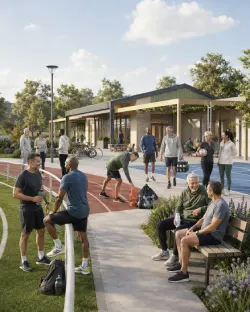
Shared routines are underrated. When the same group of parents stands on a touchline every weekend, conversations happen. First it’s the weather or the referee’s decision. Then it’s school options, local issues, who’s hiring. Familiarity builds slowly, and trust follows. Research from Sport England’s 2023 Active Lives survey found that people who participate in community sport are significantly more likely to report having at least one close friend outside their household. That’s not a small thing in places where people can live next door for years without learning each other’s names.
A Sense of Belonging That’s Hard to Engineer
Belonging isn’t something you can hand out at a community meeting. It tends to grow from repeated, low-stakes contact – exactly the kind that grassroots sport creates. For newcomers to an area, a local club can be a genuine entry point into community life. Joining a running club or volunteering at a junior football session gives someone an immediate role, a reason to show up, and a group of people who expect to see them again. That structure matters far more than most people realize.
Connecting Generations in Ways That Stick
There’s something worth paying attention to in how sport draws different age groups into the same space. Older residents often stay connected to clubs long after they stop playing – as coaches, committee members, or the person who’s been running the tea urn at home games for two decades. Younger members absorb local history and feel anchored to something that existed before them. That kind of intergenerational contact doesn’t happen by accident, and it rarely happens anywhere else with the same ease.
Local Clubs and Volunteers Keep Community Life Moving
Behind every Saturday morning match, every junior training session, and every end-of-season presentation night, there are people who never make the scoresheet. They set up the cones, wash the kit, manage the books, and make sure the lights are on. Without them, none of it happens. Local clubs run on volunteer hours, and that contribution shapes not just sport but the social fabric of the neighborhoods these clubs serve.
The Roles That Make It All Work
Volunteering in sport takes more forms than most people realize. A club’s committee might include a retired teacher handling registrations, a local tradie maintaining the oval, a parent rostered onto the canteen, and a 24-year-old who started as a player and now coaches the under-10s on Friday evenings. Each role is different. Each one is necessary.
Clubs that attract a wide volunteer base tend to be the ones that last. When responsibility is shared across a group rather than carried by two or three exhausted people, clubs become more stable and more welcoming. New families can see themselves fitting in, which matters more than any marketing campaign ever could.
Club Culture and What It Actually Builds
There’s no denying that the culture inside a club shapes people long after they’ve stopped playing. Showing up on time, following through on commitments, supporting teammates through a rough patch – these habits form through repetition, and clubs are where that repetition happens week after week.
Coaches and committee members model reliability. When a volunteer turns up every Thursday regardless of weather or personal inconvenience, younger members notice. That consistency communicates something about what it means to be part of something bigger than yourself.
Youth Development Through Local Leadership
Some clubs are deliberately creating pathways for young people to step into leadership roles. Junior captain programs, assistant coaching positions for teenagers, and youth representation on club committees are all ways of giving young members genuine responsibility.
A 17-year-old helping run a training drill for nine-year-olds is learning to communicate, adapt, and lead. The nine-year-olds get a near-peer role model. The club gets a future volunteer. It’s a practical cycle that strengthens the institution from within.
Facilities and Events Turn Sport Into Shared Local Experience
Where people can actually play shapes who gets to play. The quality, location, and affordability of local facilities has a direct effect on participation rates – and on whether sport feels like something for everyone or just for those lucky enough to live near a decent pitch or leisure center.
Facilities as Social Hubs
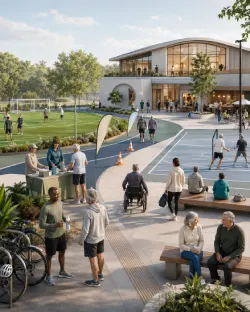
A well-maintained community sports facility does more than host matches. It becomes a regular gathering point – somewhere people return to week after week, building familiarity with their neighbors in a way that doesn’t happen through a screen or a council newsletter. The local leisure center on a Tuesday evening, the floodlit astroturf behind the secondary school, the park with the worn-down five-a-side goals – these places carry real social weight.
When facilities are poor or unevenly spread across a town, the effects are predictable. Families without cars can’t reach distant venues. Clubs with crumbling changing rooms struggle to attract new members. Some communities – often lower-income ones – end up with far fewer options, which quietly limits who gets involved. Multipurpose spaces help here. A hall that hosts yoga at 9am, junior football at noon, and a walking netball session at 3pm is doing something genuinely useful for community cohesion.
The Role of Local Events
A charity 5K on a Saturday morning pulls in people who’ve never set foot on a running track. Club open days bring curious families through the gate. School sports days draw grandparents who haven’t spoken to their neighbors in months. These occasions matter because they mix people who wouldn’t normally cross paths.
Local tournaments also generate modest but real economic activity – a café selling out of bacon rolls, a sports shop sponsoring the winners’ medals, a photographer picking up a weekend booking. There’s no denying that the ripple effects of a well-run local event stretch further than the scoreline suggests.
Inclusion Through Access
Scheduling matters more than people realize. Evening-only sessions exclude shift workers. Weekend fixtures clash with religious observances for some families. Affordable pricing – or free access for under-16s – can be the single factor that determines whether a teenager joins a club or doesn’t bother.
Getting this right means thinking beyond the enthusiasts who already show up.
How Communities Can Make Local Sport More Inclusive and Lasting
Strong community outcomes from local sport don’t appear on their own. They take deliberate planning, consistent support, and a genuine commitment to welcoming people who might otherwise feel sport isn’t for them. Removing barriers is where that work begins.
Breaking Down the Barriers That Keep People Out
Cost is the most obvious obstacle. Registration fees, kit, travel, and equipment quietly exclude families on lower incomes – and those families rarely say so directly. Clubs that offer sliding-scale fees, second-hand kit swaps, or subsidised memberships tend to see broader participation almost immediately. It doesn’t take a large budget to make a meaningful difference.
Transport is a problem that gets overlooked. A sports facility three kilometres away might as well be thirty if there’s no reliable bus route and no safe path to walk or cycle. Councils and clubs working together on shared transport solutions – even something as simple as coordinating volunteer car pools – can open access for older adults, young people, and disabled participants who’d otherwise be left out.
Timing and session design matter too. A Saturday morning session suits some families and excludes others entirely. Offering weekday evenings, mixed-ability groups, or women-only sessions isn’t about ticking boxes. Clubs in Auckland and Bristol that introduced dedicated sessions for older adults reported attendance increases of 30 to 40 percent within a year of launching them.
Building the Support Structures That Make It Last
Volunteers are the engine of grassroots sport, but they burn out without proper support. Structured training, clear role descriptions, and basic recognition go a long way. Partnering with local schools and health organisations brings in fresh volunteers and creates referral pathways – GPs in parts of Scotland now actively refer patients to community sport programmes as part of social prescribing schemes.
Shared use of school facilities outside hours is an underused solution. Many schools sit empty on weekends while nearby clubs struggle for space. Formalising those arrangements benefits both sides.
When local sport is treated as social infrastructure – given the same serious attention as roads or libraries – the returns extend well past match day. Healthier residents, stronger neighbourhoods, and more connected generations are the result. That doesn’t happen by accident. It happens because someone decided it was worth planning for.
Turning Local Sport Into Everyday Community Participation
The strongest local sports systems are not necessarily the ones with the biggest facilities or the most competitive teams. They are often the ones that make it easy for ordinary residents to contribute in small, practical ways. Community participation grows when people can help without taking on a major commitment.
Clubs can encourage wider involvement by offering flexible roles that fit around work, family, and other responsibilities. Useful approaches include:
- Short volunteer shifts: Running a registration desk, helping with refreshments, or setting up equipment for an hour can attract people who cannot commit every weekend.
- One-off event roles: Tournaments, fundraising days, open sessions, and community races give residents a low-pressure introduction to volunteering.
- Skill-based contributions: Accountants can help with finances, tradespeople can support maintenance, and photographers or designers can assist with club communications.
- Family participation: Giving parents and older siblings simple ways to contribute can turn sport into an activity shared by the whole household.
- Clear routes into larger roles: Someone who begins by helping at one event may later become a coach, committee member, official, or regular volunteer.
These small contributions matter because they spread responsibility across the community. They also prevent a handful of long-serving volunteers from carrying an unsustainable workload. When clubs make participation flexible and welcoming, local sport becomes something residents help shape rather than something they simply attend.
Stronger Communities Start on Local Fields and Courts
There’s something quietly powerful about what happens when a neighborhood gathers around a shared sporting space – week after week, season after season. Grassroots sport creates the kind of connection that doesn’t come from policy documents or community strategies. It comes from showing up, from volunteers who give their Saturday mornings without being asked twice, from clubs that have been running for forty years and still feel like someone’s living room. Local sport builds routine and pride into the fabric of a neighborhood. It gives people – young and old, long-term residents and newcomers alike – a practical reason to be part of something together. If you’ve ever watched a junior football match on a Sunday morning and noticed the parents chatting on the sideline, or seen a senior citizen hand out oranges at halftime, you’ve already seen the evidence. Support your local club, show up to events, or simply back the people who keep these spaces running. The neighborhoods that invest in grassroots sport tend to be the ones that hold together.